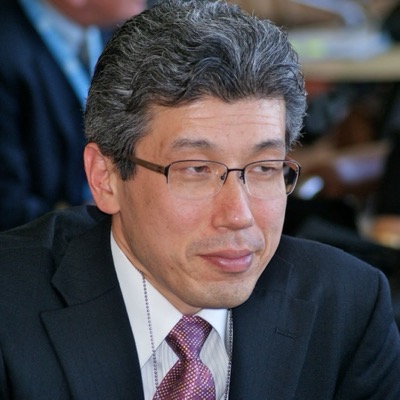
Toru Goto
Held for 4,536 days to make him renounce his faith. He never did.
Biography · Japan
Projects by Toru Goto
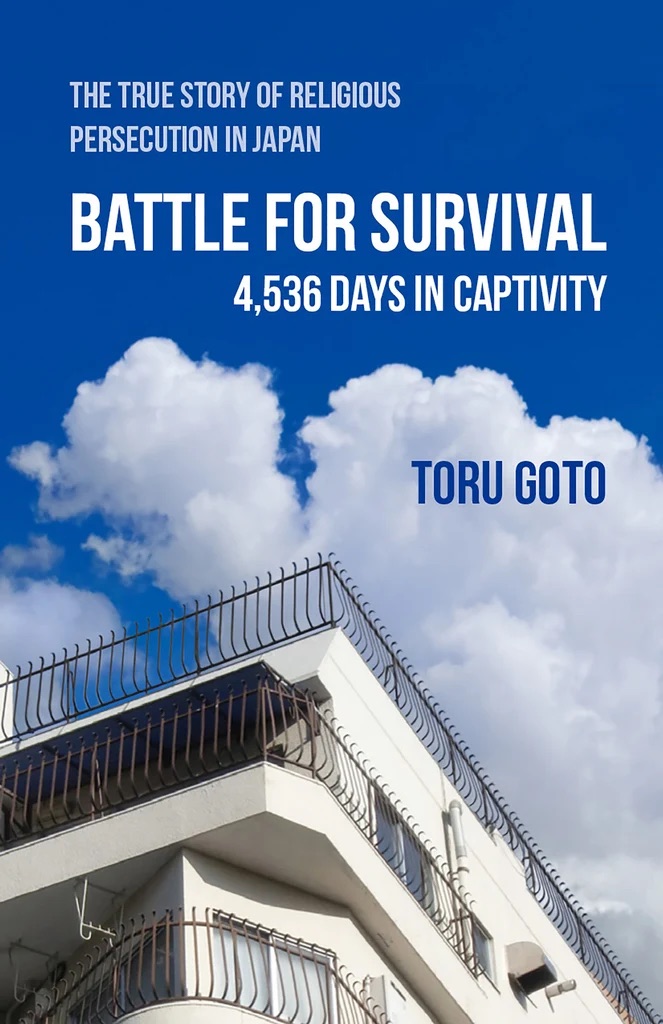 Battle for Survival: 4,536 Days in Captivity(2025)
Autobiography — the true story of religious persecution in Japan. Published by The Washington Times Global Media Group.
ISBN 978-1-955414-14-2 (paperback) · 978-1-955414-15-9 (eBook)
A Japanese Unificationist held captive by his own family for twelve years and five months in an attempt to break his faith. He walked out in 2008 weighing 39 kg, his faith intact, and went on to win a landmark case before Japan's Supreme Court.
Toru Goto is a Japanese member of the Unification Church who spent 4,536 days — twelve years and five months — locked away by his own family in an attempt to force him to give up his faith. When the door was finally opened in February 2008 he was 44 years old, weighed 39 kilograms, and still believed exactly what he had believed on the day he was taken. His refusal to surrender, and the court victory that followed, helped bring an end to decades of forced "deprogramming" in Japan.
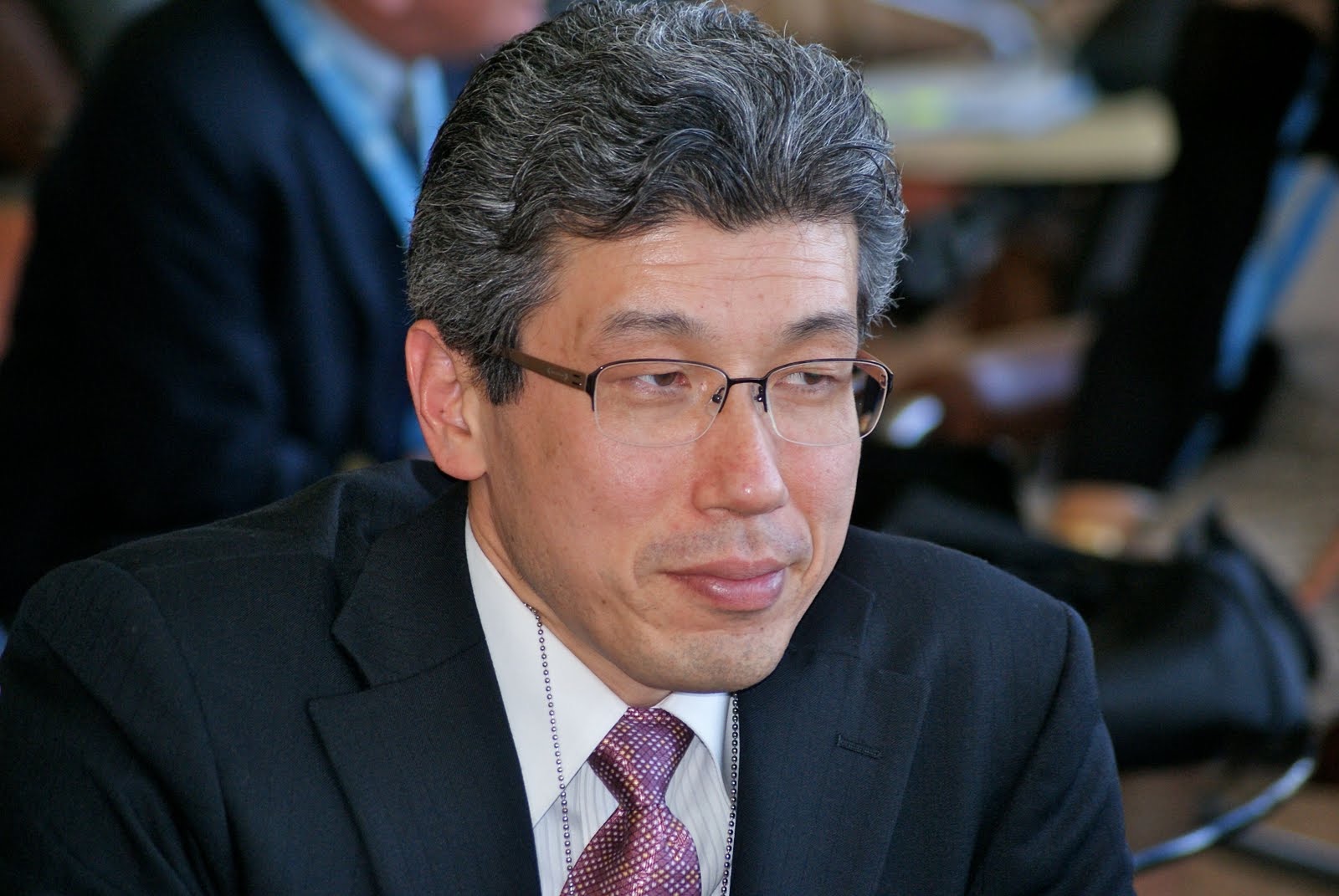
He grew up in a respectable, educated, middle-class family. His father was a successful corporate executive, his mother a gentle and devoted homemaker, and his siblings capable and supportive. He remembered a warm childhood — family fishing trips to Okutama, the comfort of his mother's cooking — which makes what came later all the harder to comprehend.
In the mid-1980s Toru's older brother encountered the Unification Church and introduced him to it. Toru was sceptical at first, but in its teachings he found a sense of purpose and hope that answered deep personal doubts. Within a year all three siblings had joined, and faith became the centre of his life.
As the church grew in Japan, so did the opposition to it — from theological rivals, from political opponents, and from a network of pastors, former members and lay activists who coached families on how to lure, restrain and "rehabilitate" relatives who had joined new religions. His brother was the first to disappear, seized and confined under the direction of anti-Unification activists. Later Toru himself was lured by his father to what he believed was a meeting, and found himself locked in a connecting room at a luxury hotel, harangued by the deprogrammer Takashi Miyamura and former believers. He eventually escaped, but the experience taught him that isolation and psychological pressure could be as dangerous as physical force.
By 1995 he was 31, a university graduate with a job, plans for the future and a deep commitment to his faith. He had spent years in cautious contact with his family. On the evening of 11 September 1995, after what seemed to be an ordinary family gathering, the atmosphere suddenly froze. Relatives working with a professional "faith breaker" overpowered him and forced him into a waiting minivan. This time the plan was meticulous, and the intent was a long confinement.
He was taken to an apartment in Niigata. Every door and window was fitted with heavy locks controlled from the outside; his parents and siblings took turns keeping watch. There was no telephone, no news and no contact with the outside world. When Toru protested that his constitutional rights were being violated, his family made their position clear: he would not leave until he renounced his faith. "This is not abduction. This is protection. And we will bring this to a conclusion no matter what sacrifice it takes. Prepare yourself."
In Niigata, the pastor and deprogrammer Yasutomo Matsunaga began a campaign of criticism, ridicule and theological challenge designed to break his faith. Former members were brought in to model "successful" departures from the church, and his love for his family was turned into a source of guilt. The aim was not to persuade him but to exhaust him. Drawing on years of prayer and mental preparation, Toru resolved to resist: to endure the attacks, feign doubt where he had to, and wait for a genuine chance to escape. It never came. He was later moved to a high-rise flat near Ogikubo Station in Tokyo.
He was far from alone. Since the late 1960s more than 4,300 Japanese citizens — most of them young women — had been abducted by their families, confined in secret apartments and pressured to abandon their faith. For decades the police dismissed these detentions as "private family disputes", while professional deprogrammers and complicit ministers turned forced apostasy into a lucrative industry.
Deprogrammers and former members took turns in the apartment, shouting at Toru for hours at a stretch and calling him "Satan" and a "monster". When he pointed to the freedom of religion guaranteed by Article 20 of the Japanese Constitution, the lead deprogrammer, Takashi Miyamura, told him: "You have no human rights. You have no qualification for human rights."
When verbal abuse failed, his captors turned to neglect. Food was routinely withheld, and Toru would creep into the kitchen late at night to eat raw vegetable scraps from the bin just to stay alive. He went on prolonged hunger strikes to protest against his detention, pushing his body to the brink. Yet as his body wasted away, his spiritual resolve only hardened.
The damage spread through the family. His younger sister was abducted too, and his fiancée disappeared into a similar "rehabilitation" process. When such cases reached the police, they were dismissed as "family matters".
Outside, the world moved on. The internet reshaped how people communicated, mobile phones spread across the globe, and Japan held nineteen national elections. Toru saw none of it.
On 10 February 2008 his captors finally accepted that they could not break him. There was no police raid and no dramatic escape — his family simply opened the door and told him to leave, with no money and no phone. Wearing a threadbare sweater and barely able to stand, he stepped out into the winter cold and set off to walk to the church headquarters, ten kilometres away. His wasted legs gave way on the frozen pavement. A passer-by recognised his distress, realised he was a fellow believer, and hailed a taxi.
Church staff had to carry him inside. At the emergency room doctors diagnosed severe malnutrition, organ weakness, anaemia and muscle atrophy from years of disuse. Photographs taken in his hospital bed show a man reduced to skin and bone.

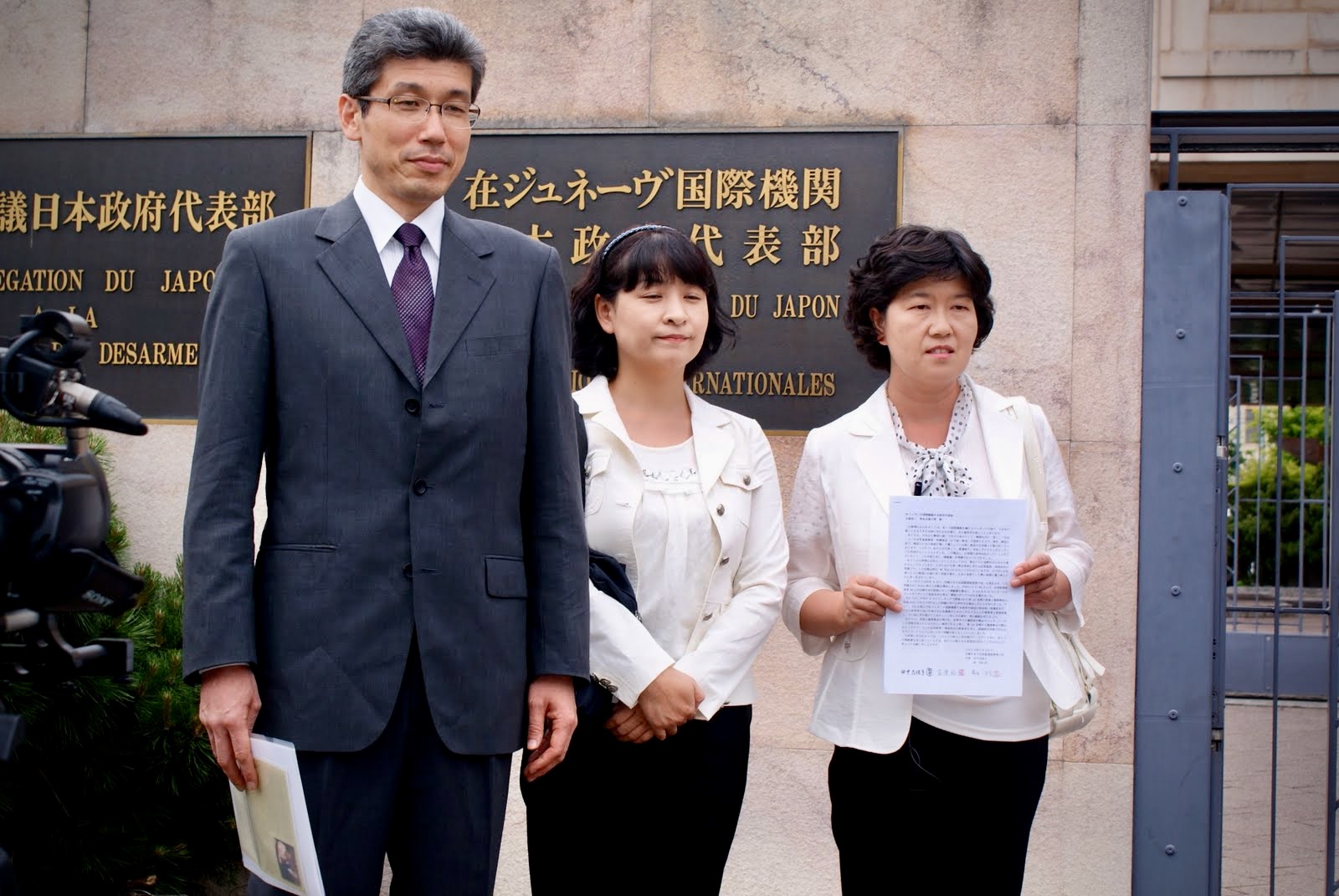
Once he had recovered, Toru chose to speak out. In June 2010 he testified at the 14th Session of the UN Human Rights Council in Geneva, speaking at a side event hosted by the Forum for Religious Freedom Europe (FOREF), Human Rights Without Frontiers (HRWF) and the Japanese victims' association, and joining fellow survivors to deliver a protest letter to Japan's Permanent Mission.
That August, a delegation of European human rights experts held a fact-finding conference in Tokyo to hear from survivors. It led to HRWF's landmark 115-page report on abduction and forced deconversion in Japan, which campaigners took to the United Nations, the US Congress and the US State Department. Together with statements from the UN Human Rights Committee and findings from the US Commission on International Religious Freedom, it made the practice impossible for Japan's authorities and media to go on ignoring. Toru has said this international pressure was what finally broke the wall of silence.
Determined to win justice for every victim, Toru filed civil and criminal complaints against his captors and Takashi Miyamura — the start of a seven-year legal battle through a system reluctant to intrude on family life. He won in the district court and again in 2014 at the Tokyo High Court, which ruled that his twelve-year confinement had been unlawful and ordered substantial damages. On 29 September 2015 the Supreme Court of Japan dismissed the final appeals, making the judgment permanent and setting a precedent for religious freedom and personal liberty in Japan.
Toru has never cast his family as villains. He speaks of their ordinariness, their earlier kindness and even their concern for him, however misguided, and he mourns what fear, misinformation and the coaching of outsiders turned them into. He frames his survival not as stubbornness but as purpose: the conviction that a faith freely chosen should be defended as a matter of personal dignity.
His victory dealt a decisive blow to the faith-breaking industry in Japan and has protected countless others from the ordeal he endured. Today Toru serves as Representative Director of the Association for Victims of Deprogramming, continuing his work to defend religious freedom and human dignity. He tells his story in full in his autobiography, Battle for Survival: 4,536 Days in Captivity, which he offers to "those who are facing lonely and difficult battles in silence".
Reflections about this person
Reflections are anonymous unless you put your name in. Every submission is reviewed before it appears.
Loading reflections…